Thorold Dickinson’s Secret People
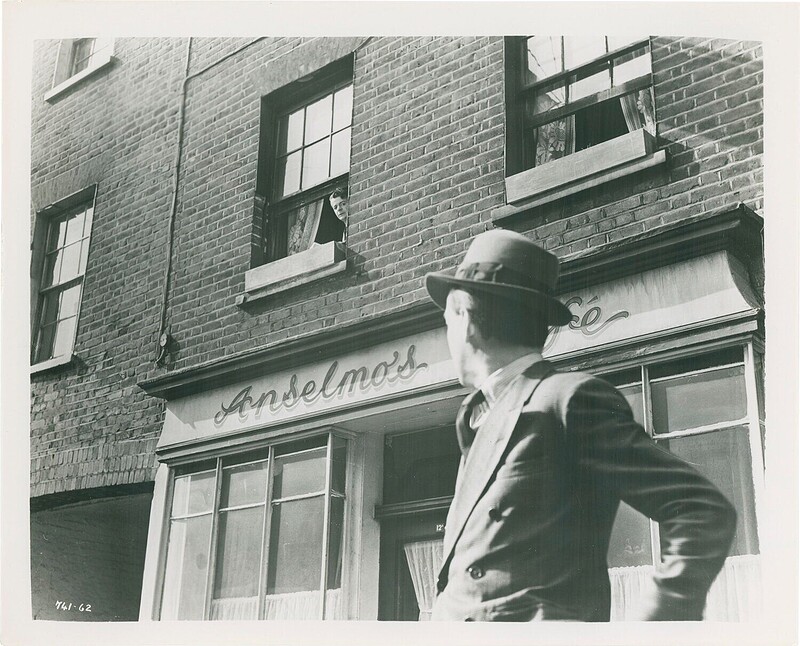
"Best known as a first glimpse of young pirouetting starlet Audrey Hepburn, Secret People inevitably divided post-war cinema goers with its humane portrayal of violent anti-fascist action and anarchist intrigue. Film scholar Brian Neve is on-hand to re-appraise Thorold Dickinson’s ahead-of-his-time vision, with an intro and Q&A bookending this rare screening of a classic slice of political noir."
Join the Headfirst mailing list for our unbiased recommendations.
An event held at Arnolfini on Tuesday 21st July. The event starts at 19:00.
### A special screening of Secret People (1952), introduced by film historian Brian Neve, plus Q&A chaired by Professor Andrew Spicer
Enjoy the final British film of Bristol-born director Thorold Dickinson — a compelling anti-fascist drama featuring Audrey Hepburn's screen debut. Thorold Dickinson (1903–1984) was one of the most distinctive figures in British cinema. A leading member of the London Film Society, he helped introduce UK audiences to Soviet and European filmmaking, shaping new ways of thinking about cinema as both an art form and a vehicle for political ideas. Today, he is best remembered for Gaslight (1940) and The Queen of Spades (1949).
In this event, film historian Brian Neve explores Dickinson’s lesser-known Secret People (1952). Drawing on archival material from the BFI, Neve examines the film’s deeply personal significance, revealing how its themes reflect Dickinson’s own political experiences and why the project ultimately marked the end of his British filmmaking career.
Produced by Ealing Studios, Secret People is a fascinating blend of political drama and art cinema. Influenced by continental filmmaking traditions while working within the framework of Sir Michael Balcon’s celebrated studio, the film combines intimate character study, political critique and visual experimentation. At its heart are questions of resistance, idealism and the emotional cost of political commitment.
Though controversial on release and the subject of debate within left-wing circles, the film remains a powerful exploration of radicalisation, conscience and disillusionment. Its themes continue to resonate today, particularly in a city with Bristol’s rich history of activism and political engagement.
The film also boasts an exceptional cast, including Valentina Cortese and Serge Reggiani, alongside Audrey Hepburn in her first major screen role. Hepburn’s background as a trained dancer is woven into the film, adding another dimension that will appeal to audiences interested in film, performance and dance history alike.
Entry requirements: no age restrictions (under 18s to be accompanied by an adult over 21yrs, 1:1 ratio)
Tickets for similar Bristol events.
